When most couples begin planning their wedding day, one of the first questions they ask is, "How much time do we actually need?"
It's a great question, and the honest answer is that every wedding is different. Your venue, guest count, travel time, whether you're planning a first look, and even the time of year can all influence your timeline.
After photographing more than 600 weddings, we've learned that the best timelines have one thing in common: they allow couples to enjoy their wedding day instead of feeling like they're racing through it.
A thoughtfully planned timeline helps your vendors work together efficiently, keeps the day moving naturally, and most importantly, gives you the opportunity to be fully present with the people you've gathered to celebrate.
At K Herman Photography, creating your photography timeline is part of our planning process. About four to six weeks before your wedding, we'll sit down together and walk through the entire day. We'll discuss your priorities, your venue, family dynamics, travel time, lighting, and everything else that helps create a timeline tailored specifically to your wedding.
If you're still early in the planning process, we also recommend reading our Booking Your Wedding with K Herman Photography: A Step-by-Step Guide, which explains what to expect from the day you inquire through the delivery of your final gallery.
While every wedding is unique, here are the timeline recommendations we find ourselves sharing with couples again and again.
Start With Your Ceremony Time
Your ceremony is the one part of the day that typically can't move, which makes it the starting point for everything else.
Once your ceremony time is confirmed, it's much easier to work backward and determine when hair and makeup should begin, when everyone should be dressed, how much time you'll need for portraits, and when vendors should arrive.
One of the biggest misconceptions we see is couples trying to fit too much into too little time. While it's tempting to shorten parts of the day to keep the schedule compact, that usually creates unnecessary stress later.
Instead, we recommend giving each part of the day the time it actually deserves.
Give Yourself a Relaxed Morning
The hours before your ceremony set the tone for the entire day.
They're filled with anticipation, excitement, and some of the most meaningful interactions you'll have all day. It's when your parents see you dressed for the first time, your wedding party helps with the final details, and everyone begins to realize that the day you've been planning for months has finally arrived.
Those moments shouldn't feel rushed.
We always recommend building extra time into your morning schedule because little delays are completely normal. Hair and makeup may take longer than expected. Transportation might arrive a few minutes late. Someone inevitably misplaces a shoe, a tie, or a bouquet.
Having a little flexibility built into the schedule allows those moments to happen without affecting the rest of your day.
It also gives us the opportunity to photograph details, candid interactions, and all of the little moments that often become some of our couples' favorite images.
Decide Early Whether You'll Have a First Look
One decision that has a significant impact on your timeline is whether you'd like to see each other before the ceremony.
Couples who choose a first look are often able to complete many of their portraits before guests arrive, which allows them to spend more time enjoying cocktail hour after the ceremony. Couples who prefer a traditional aisle reveal simply shift those portraits to later in the day.
While every couple should choose the approach that feels right for them, we've found that a first look often creates a more relaxed timeline and allows couples to experience more of their wedding day together. It's one of the reasons we recommend it so often.
If you'd like to learn more about why we're such big fans of first looks and how they can impact your wedding day, be sure to read our article on First Looks.
Family Portraits
Family portraits are one of the few parts of the wedding day that involve coordinating a large group of people, so a little preparation makes a tremendous difference.
Before your wedding, we'll work together to create a family photo list that keeps portraits organized and efficient. We also encourage couples to choose one person from each side of the family who knows everyone well and can help gather relatives when it's time for photos.
That simple step saves valuable time and allows everyone to return to celebrating much sooner.
Most family portrait sessions take between 20 and 30 minutes, depending on the number of groupings you'd like. Having a clear plan allows us to work efficiently while making sure no important combinations are overlooked.
Wedding Party & Couple Portraits
This is often the part of the day couples look forward to most.
Once the formal family photos are complete, everyone has a chance to relax a little, have fun together, and create portraits that reflect your personalities.
How much time you'll want depends on your priorities.
Some couples prefer a quick portrait session before joining cocktail hour, while others choose to visit a second location or spend additional time together creating a larger variety of images.
There's no right answer.
Our job is to help you build enough time into the day so your portraits never feel rushed.
One thing we never recommend is squeezing portraits into whatever time happens to be left over. Beautiful photographs deserve intentional time, and your timeline should reflect that.
Don't Forget to Plan for Sunset Portraits
One of the most common questions we receive is whether sunset portraits are really worth adding to the timeline.
Our answer is almost always yes.
The light during the hour before sunset is soft, warm, and incredibly flattering. Even if we've already completed your formal portraits earlier in the day, stepping away for ten to fifteen minutes during golden hour often results in some of the most romantic images in your gallery.
It's also one of the only opportunities you'll have to spend a few quiet moments together after the excitement of the ceremony and before the celebration continues.
When we build your photography timeline, we'll check the sunset time for your wedding date and recommend the best window if lighting conditions allow.
Build in Buffer Time
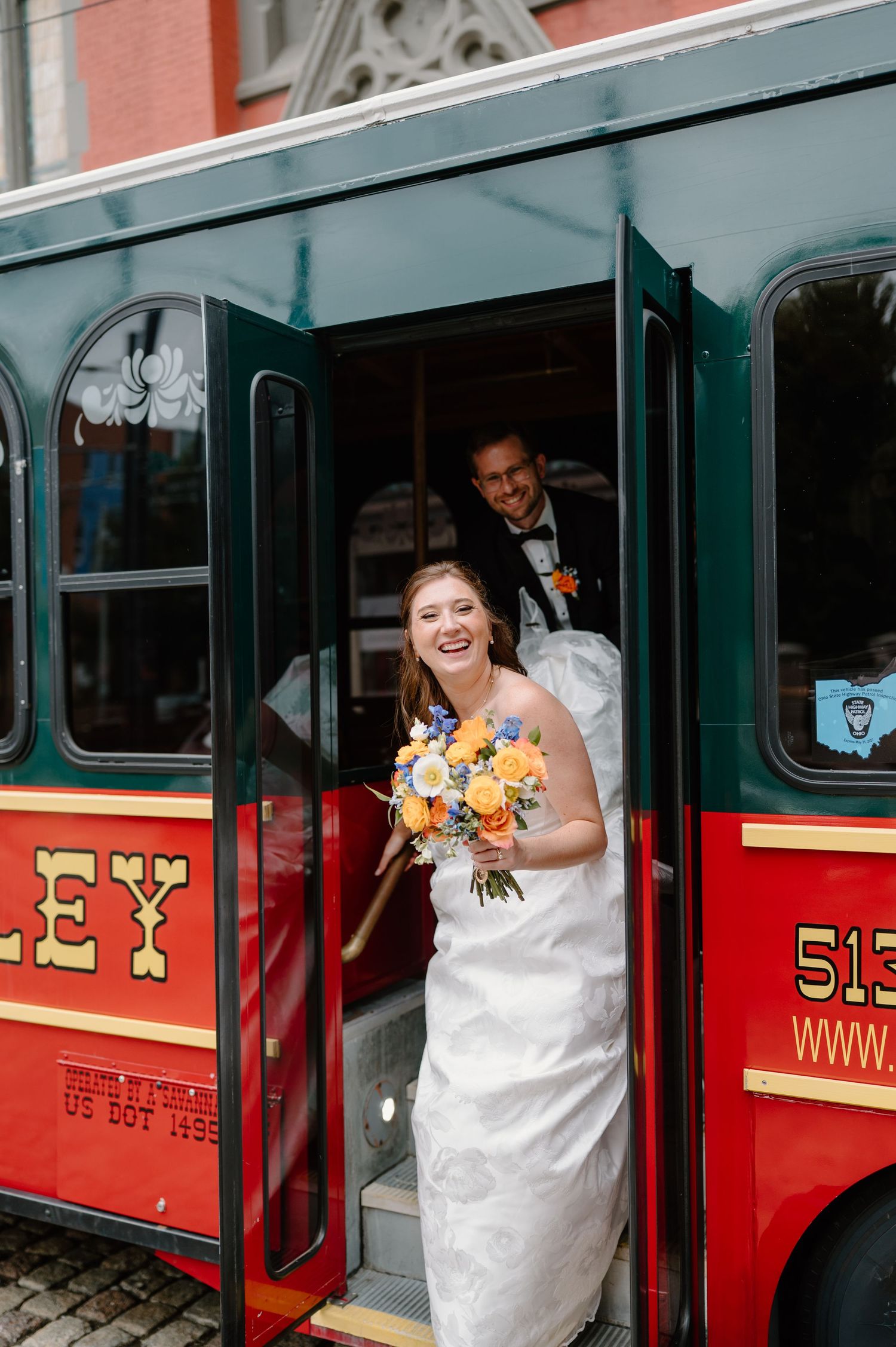
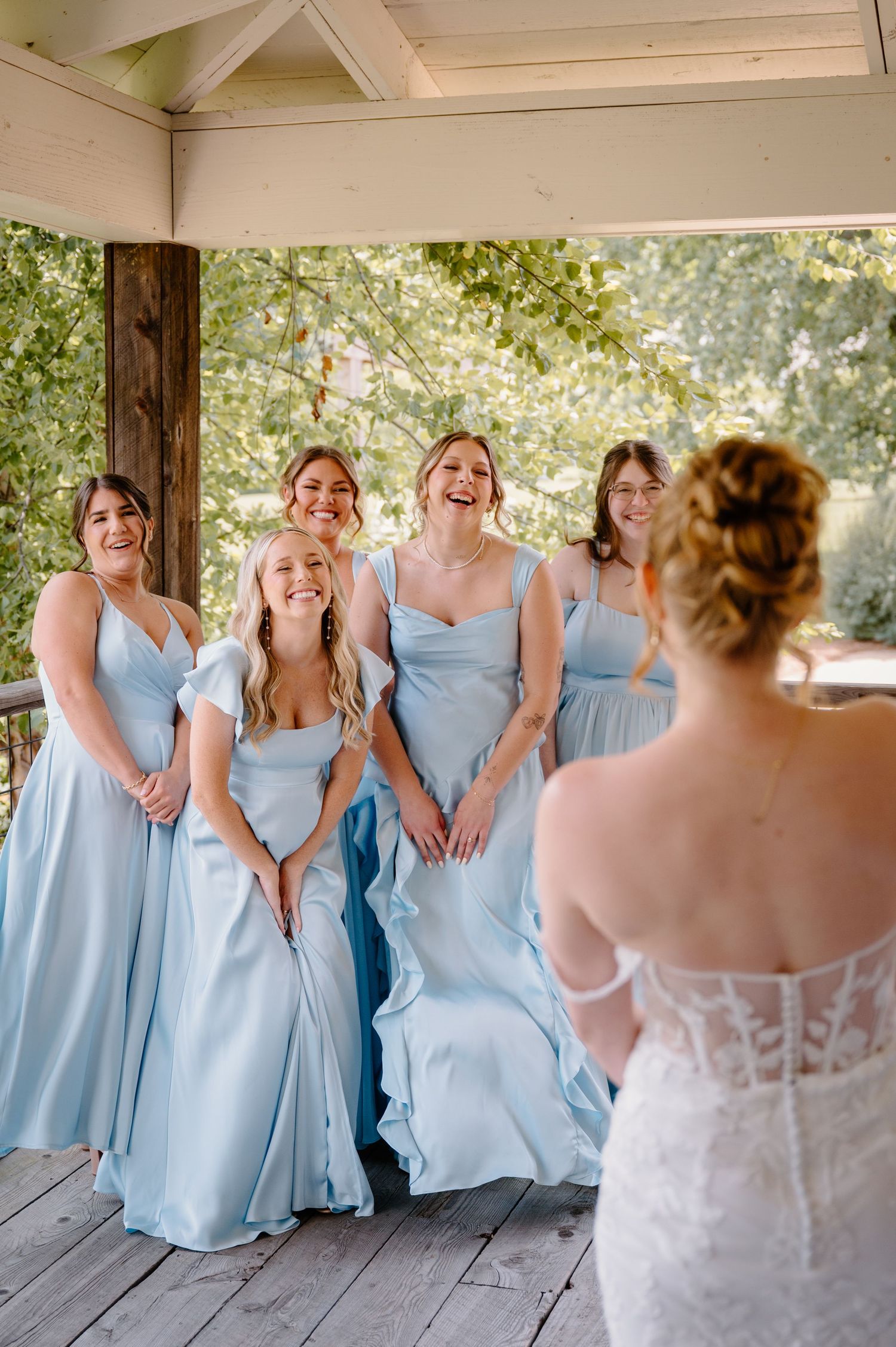
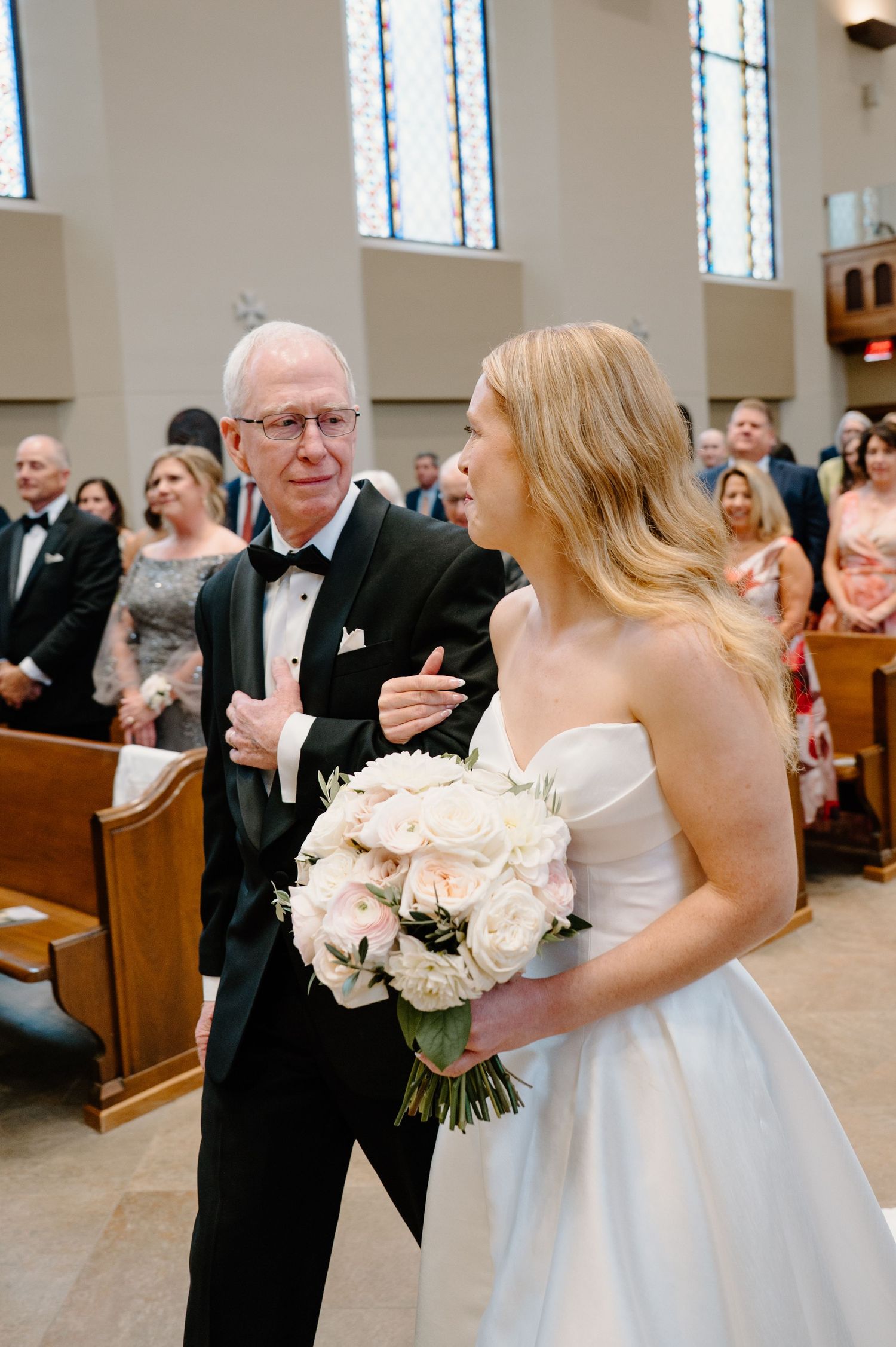
One of the best things you can do when planning your wedding day timeline is leave a little room for flexibility. While it's tempting to schedule every minute of the day, weddings rarely run exactly according to plan, and that's perfectly okay.
Hair and makeup may take a little longer than expected, transportation might hit unexpected traffic, or a family member may need a few extra minutes before portraits begin. Building ten to fifteen minutes of breathing room between major events allows the day to continue moving smoothly without creating unnecessary stress for you or your vendor team.
Just as importantly, those extra moments often become some of the most meaningful parts of the day. They give you the chance to hug your parents before the ceremony, catch up with friends you haven't seen in years, or simply take a quiet moment together after you've officially become husband and wife. Those interactions can't be scheduled, but they're often the memories couples talk about long after the wedding is over.
Many of our favorite photographs happen during these unscripted moments, which is why we encourage couples to think of buffer time as an investment in their experience, not simply extra space on a schedule. If you'd like to read more about why these moments matter so much, we share some of our favorites in The Beauty of the In-Between Moments.
Trust Your Vendor Team
By the time your wedding day arrives, you'll have spent months choosing the right venue, photographer, florist, planner, DJ, caterer, and everyone else who will help bring your vision to life. One of the greatest gifts you can give yourself on your wedding day is trusting the team you've carefully chosen.
Your vendors have one shared goal: creating an experience that's enjoyable, seamless, and memorable for you and your guests. Throughout the day, we'll communicate with your planner and other vendors to keep everyone informed and make small adjustments if they're needed. Most of those conversations happen behind the scenes, allowing you to stay focused on celebrating instead of worrying about the schedule.
It's completely normal if the timeline shifts by a few minutes here and there. Weddings are live events, and a little flexibility is part of what makes each celebration unique. An experienced vendor team knows how to adapt while keeping the day moving naturally, often without you ever realizing a change was made.
The best wedding days aren't the ones where everything happens exactly on schedule. They're the ones where the couple feels present, relaxed, and able to enjoy every moment. By trusting your vendor team to manage the details, you'll have the freedom to focus on what truly matters: celebrating your marriage with the people you love.
Kristina's Pro Tip
One of the best compliments we receive is hearing a couple say, "Our wedding day never felt rushed." That doesn't happen because every minute is perfectly scheduled. It happens because the timeline was built around what mattered most to them. Leave yourself a little extra time, trust your vendor team, and remember that your wedding day is meant to be experienced, not managed.
Frequently Asked Questions
How long should we plan for family portraits?
Most family portraits take about 20 to 30 minutes, depending on the size of your family and the number of groupings you'd like. Creating a family photo list ahead of time helps everything move efficiently.
How much time should we allow for couple portraits?
We typically recommend planning 30 to 45 minutes throughout the day for couple portraits. This may happen all at once or be split between different parts of the day, including sunset if your timeline allows.
Should we schedule sunset portraits if we've already taken photos earlier?
Absolutely. Even ten minutes during golden hour can create a completely different look and feel than portraits taken earlier in the day. Many couples tell us these become some of their favorite images.
When should we finalize our wedding timeline?
We typically create your photography timeline four to six weeks before your wedding. By then, your ceremony time, venue details, and vendor team are finalized, allowing us to build a timeline that fits your day.
Who creates the photography timeline?
Most couples create their wedding day timeline as they plan their wedding, often with the help of their planner if they have one. During your photography consultation, we'll review the timeline together and offer recommendations to help the day flow smoothly while allowing enough time for portraits and the moments that matter most.
Additional Wedding Planning Resources
Looking for more planning advice? These guides are a great place to start.
Ready to Start Planning?
A great wedding timeline does more than keep the day organized. It gives you the freedom to slow down, be present, and truly enjoy one of the most meaningful days of your life.
When you work with K Herman Photography, we'll help create a photography timeline that's personalized to your venue, your priorities, and your vision for the day. Every recommendation we make is based on years of experience and designed to help you spend less time worrying about the schedule and more time making memories.
We can't wait to celebrate with you.